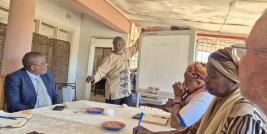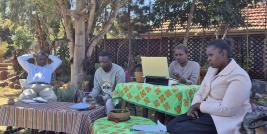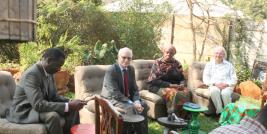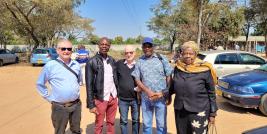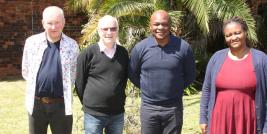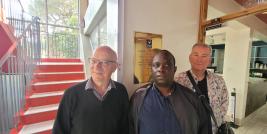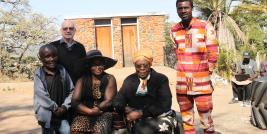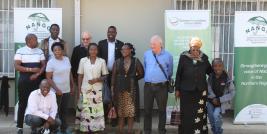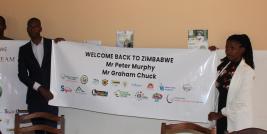
Graham Chuck and Peter Murphy visited the Kuwadzana West Peace Village Project to get updated on community development efforts there since they visited in 2025. The community team there are ZANU-PF members, committed to inclusive processes to meet the main challenges, which include food production, Family and Domestic Violence and associated homeless children, housing, and people forced to return from South Africa.
With the children displaced because of domestic violence, the team sought sponsorships for the children and succeeded in obtaining assistance for every child.
With gardening, they organised for professional advice about how to cope with climate change, and continue to monitor the safe use of sprays.
With housing, they approached the Harare City Council to cancel a legal fee for the removal of a court order which mistakenly blocked the use of some of the land. They also ensured that no family had its house demolished because of this court order. However, on the main project of building the peace village and converting the local hall into a bigger community centre, they still require funding and are seeking donors.
There were 30 families who had been driven out of South Africa, and the team made sure that each of them was offered a plot of land and provided with a start-up grocery pack to help them re-establish their homes.
Their political method is to listen to the community, to work with the opposition parties, MDC and CCC, and other political opposition groups, to find solutions to any problems identified. In 2025 they had talked about problems with abuse of alcohol and other drugs by young people, but they organised soccer teams for both boys and girls, and this problem is now greatly reduced. The Association of Women’s Clubs (AWC) is also operating very well at Kuwadzana, and the community can share the products that the women make.
Their bigger project for the Peace Village now has detailed architectural plans which integrate a high rise residential structure with the wetlands in the area. The social aspect of this plan includes local transport, a local currency and a better way to manage community politics. But funding is the major obstacle. They see the Rural Industrial Innovation Hubs policy as a possible source of initial government funding.